


What is Light?
“They say light can tame every monster.”
What kind of light can tame monsters?
Little Amy shows you the Light of Rocgene
About Light
Scientifically, light is a stream of photons within a specific frequency range. A light source emits light when electrons gain extra energy. If the energy is insufficient for electrons to jump to outer orbits, they accelerate and release energy in the form of waves. If the transition fills an orbital vacancy, electrons reach a stable state and stop transitioning. Otherwise, they fall back and release energy as waves.
About Spectrum
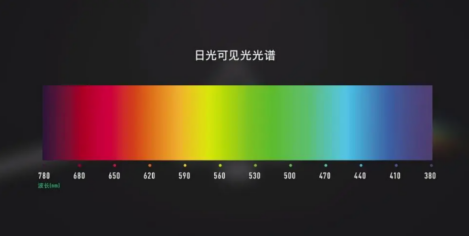
A spectrum is a pattern in which polychromatic light is separated by dispersion systems (such as prisms or gratings) into monochromatic beams arranged by wavelength (or frequency). The largest part of the optical spectrum is the visible spectrum, detectable by the human eye. However, colors like Himalayan Gray and Siberian Blue do not exist in the spectrum—they are only perceived by the visual cortex of the brain.
About Optical Filters
Since light is an electromagnetic wave of a specific frequency band, similar to radio tuning, we can select visible light in targeted bands. Optical filters are designed to absorb, reflect, or transmit specific wavelengths.
Filters are made of plastic or glass with special dyes or coatings. Untreated glass transmits almost all light, appearing transparent. After dyeing or coating, its molecular structure and refractive index change, blocking certain wavelengths. For example, white light passing through a blue filter emits only blue light, while most green and red light is absorbed.
About Fluorescence
Fluorescence is a photoluminescent phenomenon. When a material is illuminated by light of a specific wavelength, it absorbs energy, enters an excited state, and emits light at a longer wavelength (usually visible). The glow stops immediately once the excitation light is removed. Fluorescent lamps work this way: phosphors absorb UV light from mercury vapor and emit visible light.
Rocgene demonstrates the power of light
Making full use of optical principles
Perfectly unleashing the energy of light
STAR PRODUCTS
The Archimed X Series uses high-performance optical components and professional assembly processes to fully demonstrate the power of light, delivering accurate data and an excellent user experience.
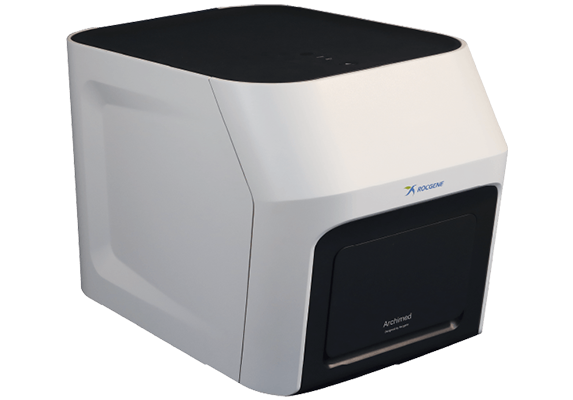
Based on optical filtering and photoluminescence principles, Archimed real‑time PCR systems feature advanced optical detection components:
① High sensitivity and speed: Novel optical detection technology using Fresnel lenses, high‑efficiency MPPC, and long‑life maintenance‑free LEDs greatly improves detection sensitivity.
② No ROX correction required.
③ Effectively reduces edge effects and spherical aberration.
④ Minimizes optical loss.
⑤ Reduces optical crosstalk.
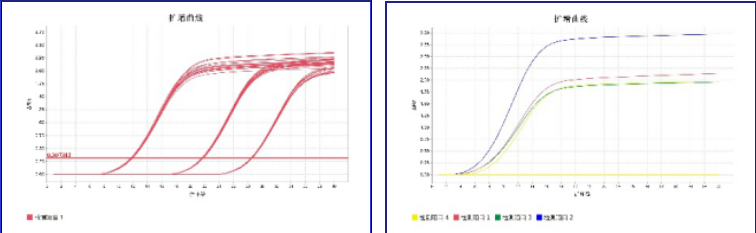
Its powerful detection can reliably identify as low as 100 copies/mL of SARS‑CoV‑2. With six fluorescence channels, it can analyze gene expression with a 1.33‑fold concentration difference and detect up to 5‑plex amplification using time‑resolved signal acquisition.
Today, new technologies emerge rapidly. Technological innovation has become key to driving China’s economic and social development and enhancing its comprehensive strength and global competitiveness.
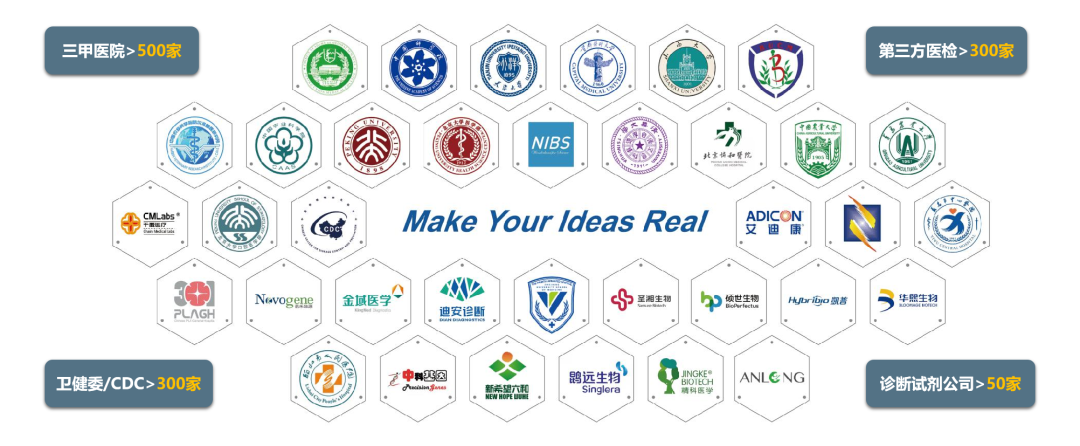
Since its launch, Rocgene products have earned high satisfaction for quality and service. Using premium raw materials, the Light of Rocgene has illuminated many cities and will shine worldwide in the future.
Rocgene always takes technological innovation as the driving force, continuously optimizing core technologies and building competitive advantages in product development.
About Rocgene
Founded in 2016, Rocgene (Beijing) Technology Co., Ltd. is a high‑tech biotechnology company established by scientists and industry professionals, driven by core technologies. Rocgene transforms cutting‑edge life science research into clinically applicable products, developing proprietary research and molecular diagnostic tools.
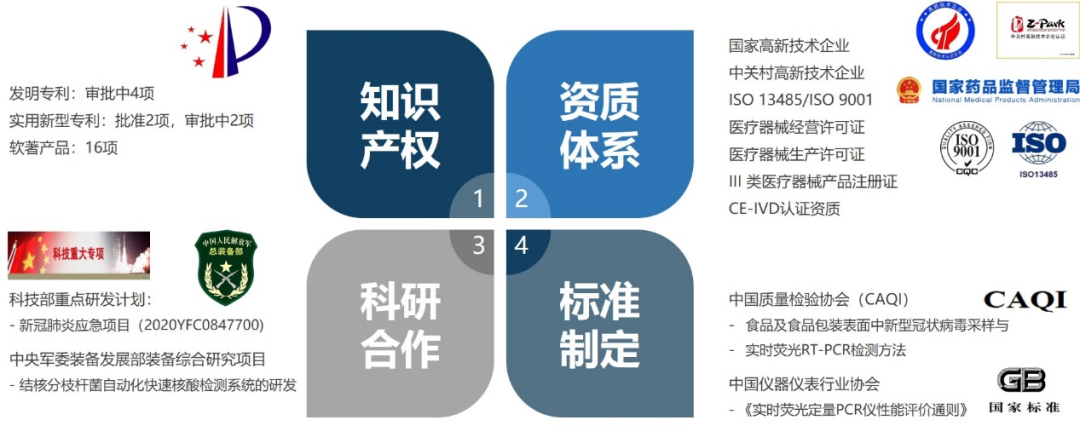
Rocgene is certified as a National High‑Tech Enterprise and Zhongguancun High‑Tech Enterprise. It holds 21 patents (11 invention, 8 utility model, 2 design) and 16 software copyrights. It operates a clean workshop of over 10,000 ㎡ in Xuzhou High‑Tech Zone. With courage to transcend and ambition to excel, Rocgene aims to be a forward‑looking industry leader.
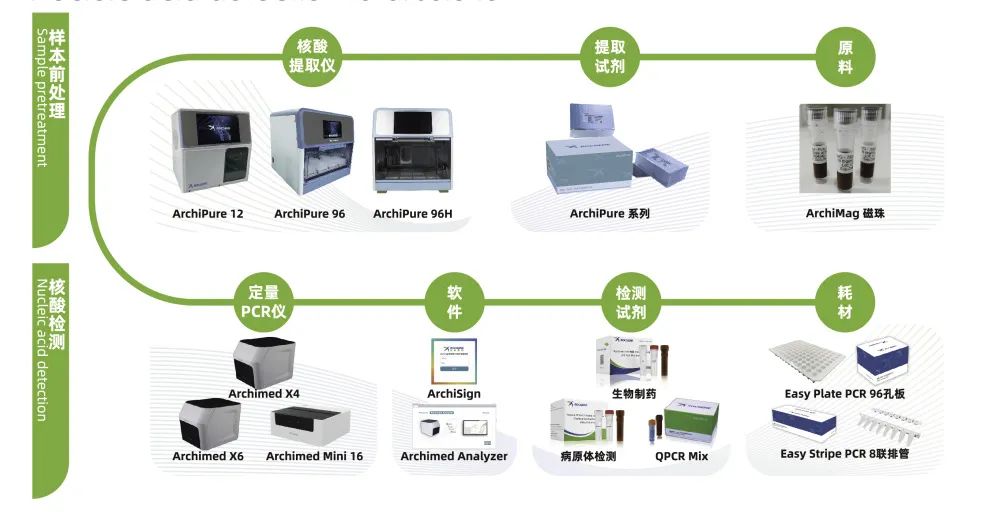
Total Solution for Nucleic Acid Detection
10
23
19
28


 +86-010-86229225
 global@rocgene.com
 CN
CN